Researcher · University of Waterloo

Programming soft matter
for tissue interfaces
and wearable systems.

Soft-tissue interfaces & regeneration · Mechanically programmable materials · Flexible & wearable electronics

Explore
research

Materials that are
soft by nature,
strong by design.

My research is driven by a central question: how can soft materials be engineered to restore, reinforce, and intelligently interface with living tissue?

To address this question, I connect molecular interactions, multiscale architecture, and interface mechanics with advanced materials design and characterization. I develop programmable hydrogels, bioinspired soft matter, and functional material platforms whose structure and mechanical behavior can be precisely tuned across scales.

These materials are translated into soft-tissue interfaces and platforms for tissue regeneration, high-performance constructs for soft-tissue repair, and conformable wearable electronic devices. By uniting biological and electronic function with fundamental materials science, my work advances versatile platforms for regenerative engineering and human-centered technology.

01 Soft-tissue interfaces & regeneration 02 High-performance soft matter 03 Wearable electronics
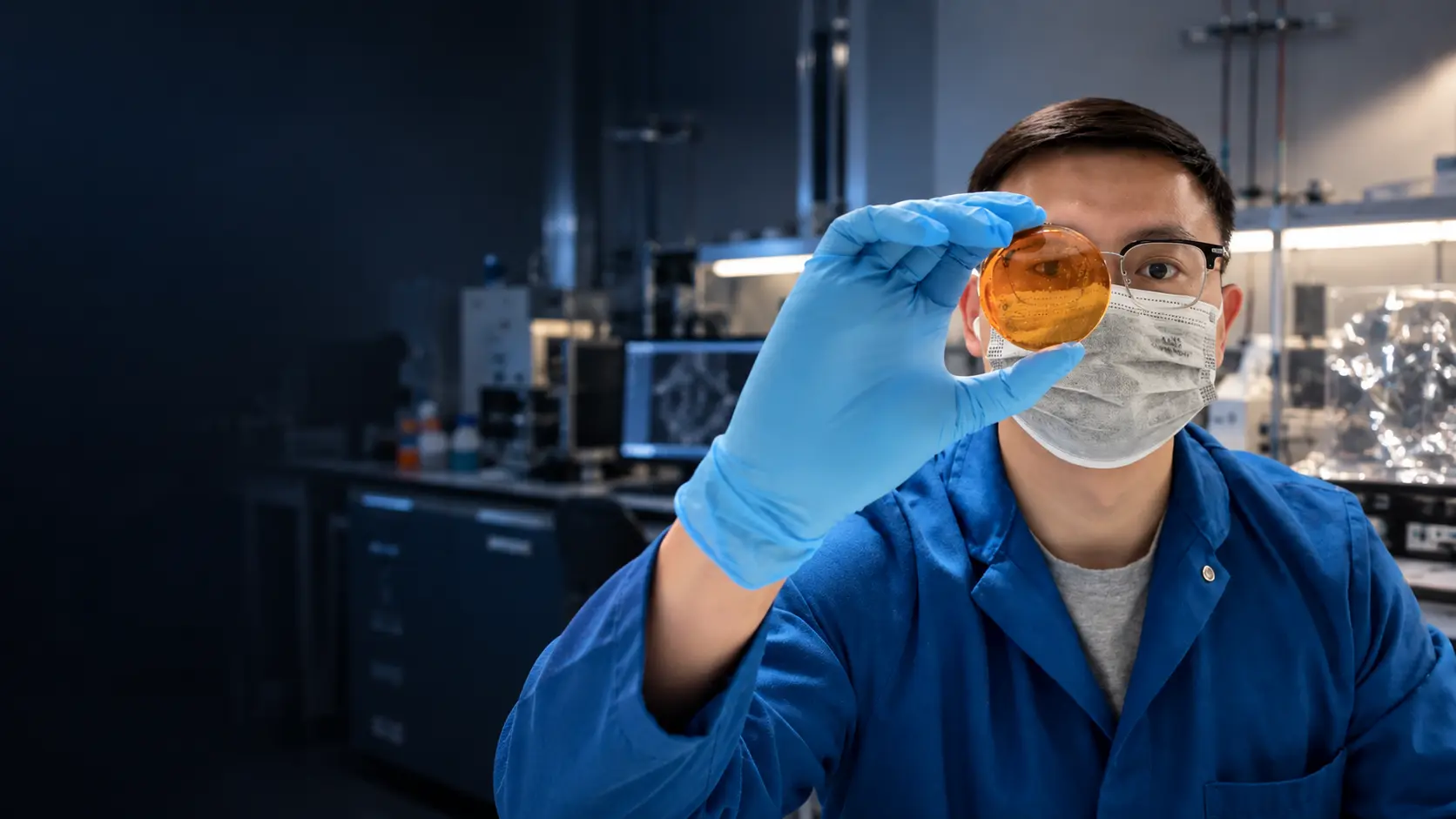
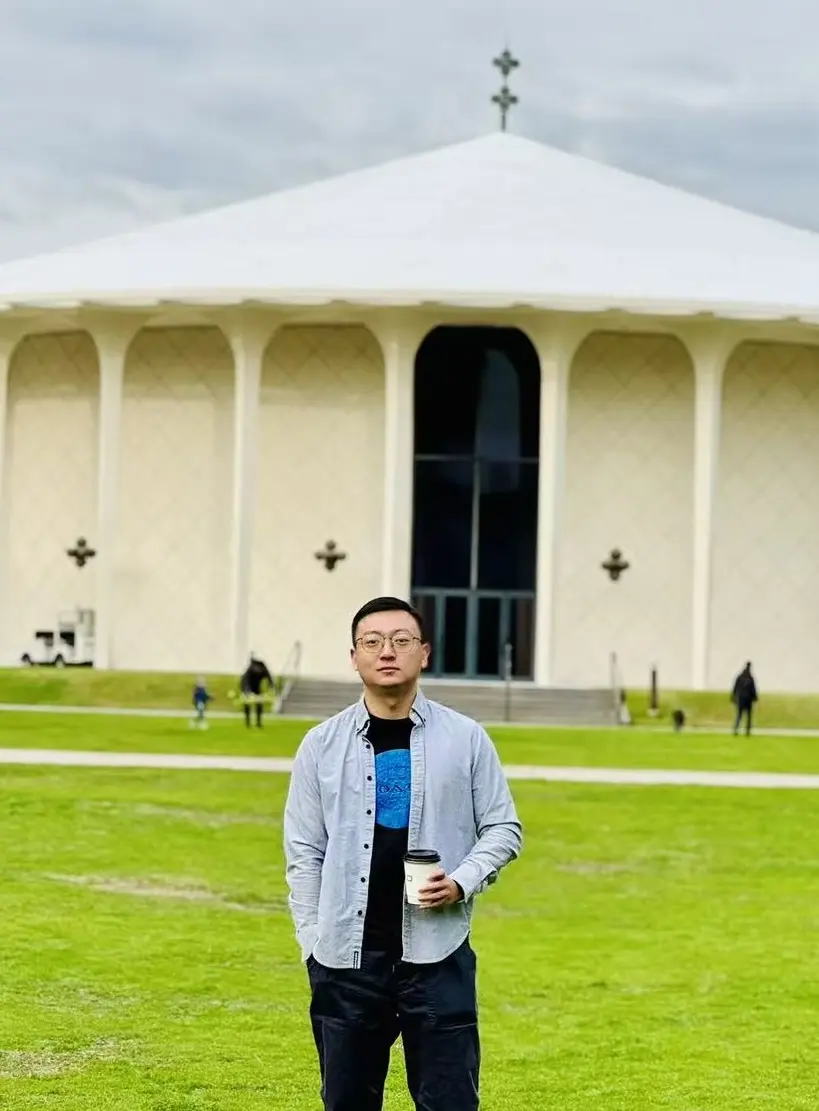
Portrait of Youchao Teng outdoors
Youchao TengResearcher · Waterloo

Three frontiers.
One soft-matter framework.

Connecting living interfaces, programmable mechanics, and wearable systems through the design of advanced soft materials.

01

Research frontier 01

Soft materials for
tissue interfaces
& regeneration

Engineering hydrated, compliant material platforms that integrate with soft biological environments and support tissue repair and regeneration.
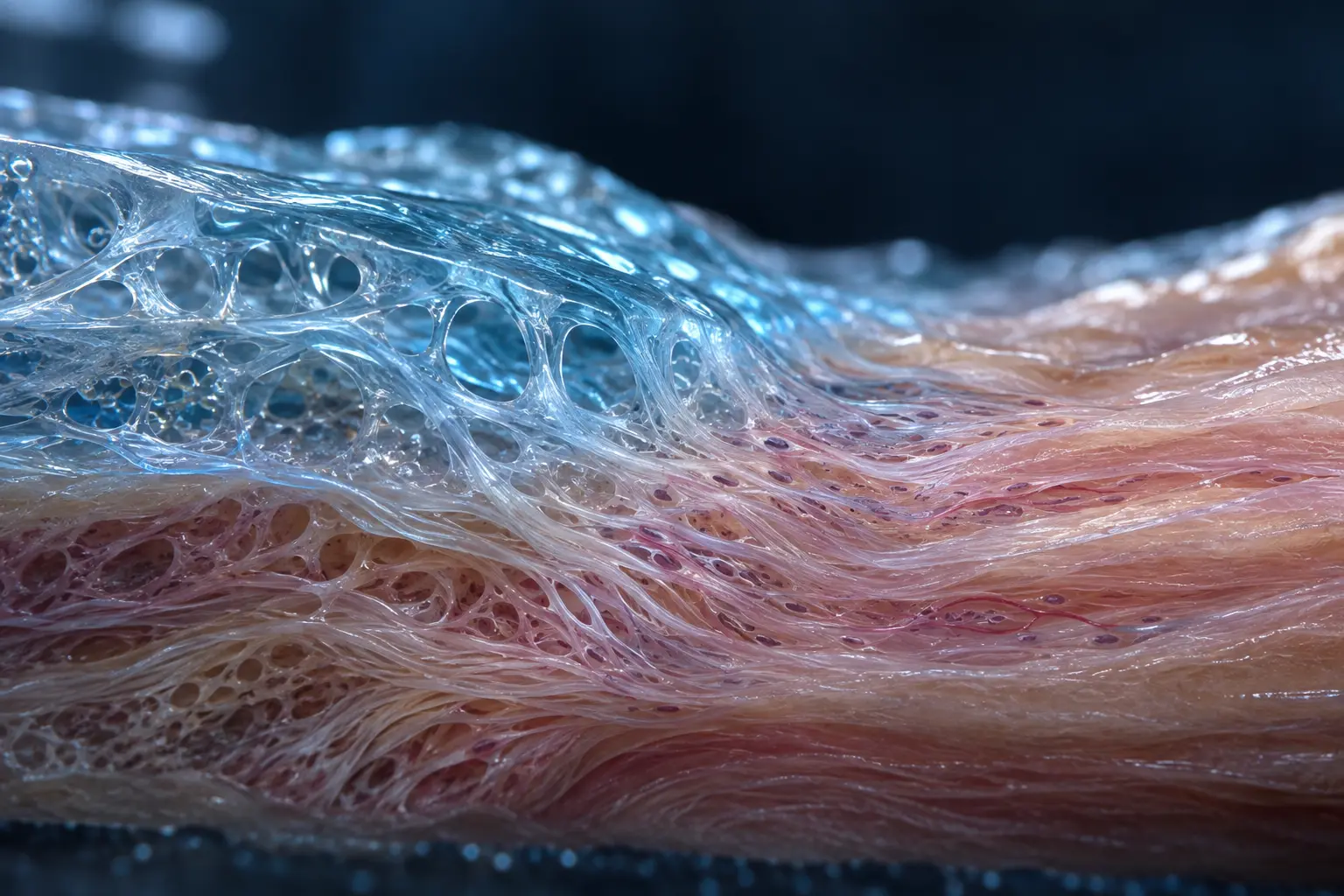
Hydrated soft material integrating with a layered tissue-like interface
SOFT-TISSUE INTERFACES / REGENERATION
02

Research frontier 02

Functional &
mechanically programmable
soft materials

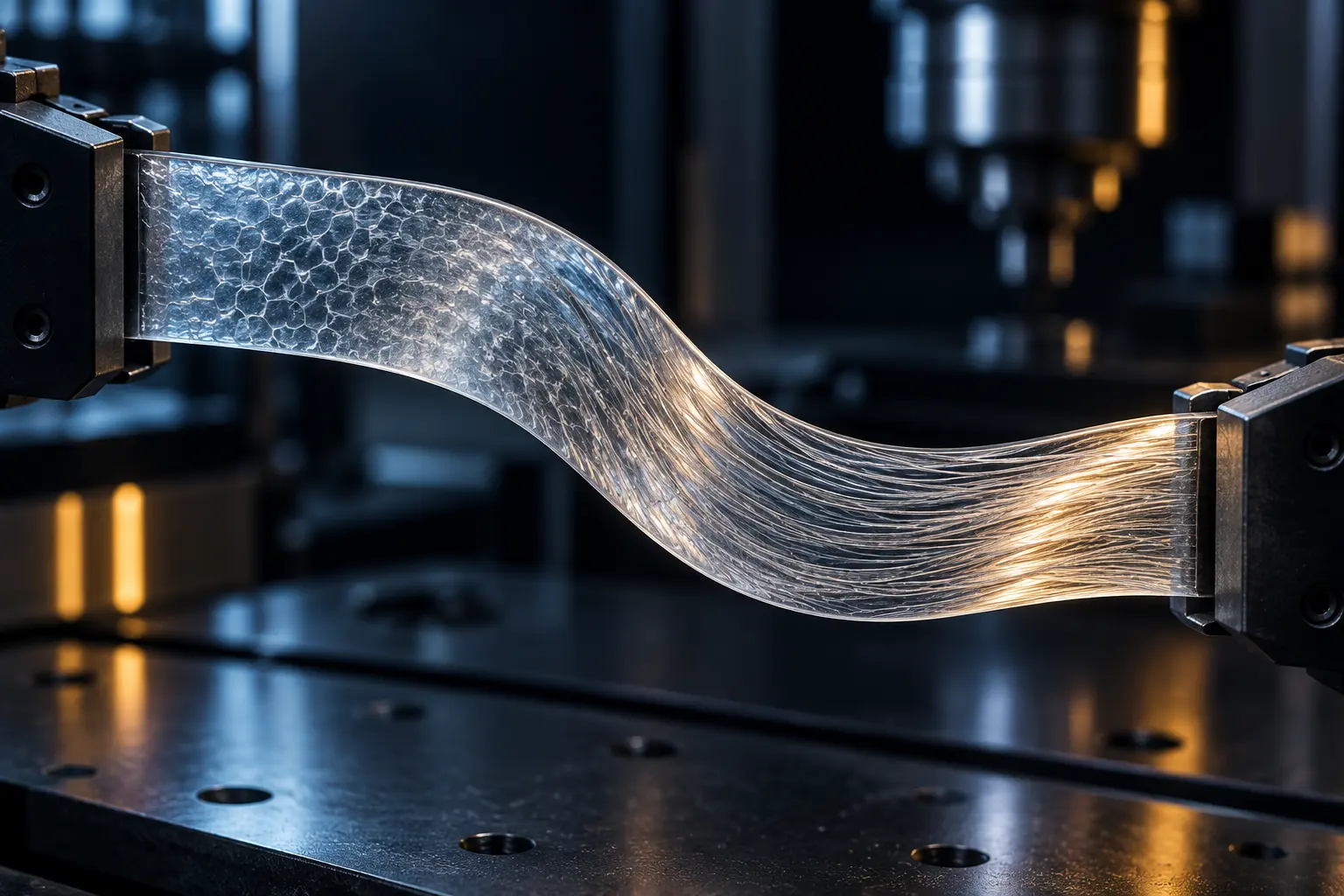
Programming mechanical states through molecular interactions, hierarchical architecture, and post-fabrication regulation to achieve tunable strength, toughness, and adaptive performance.

An anisotropic soft material undergoing controlled mechanical programming
FUNCTION / MECHANICS / PROGRAMMABILITY
03

Research frontier 03

Soft materials for
flexible & wearable
electronics

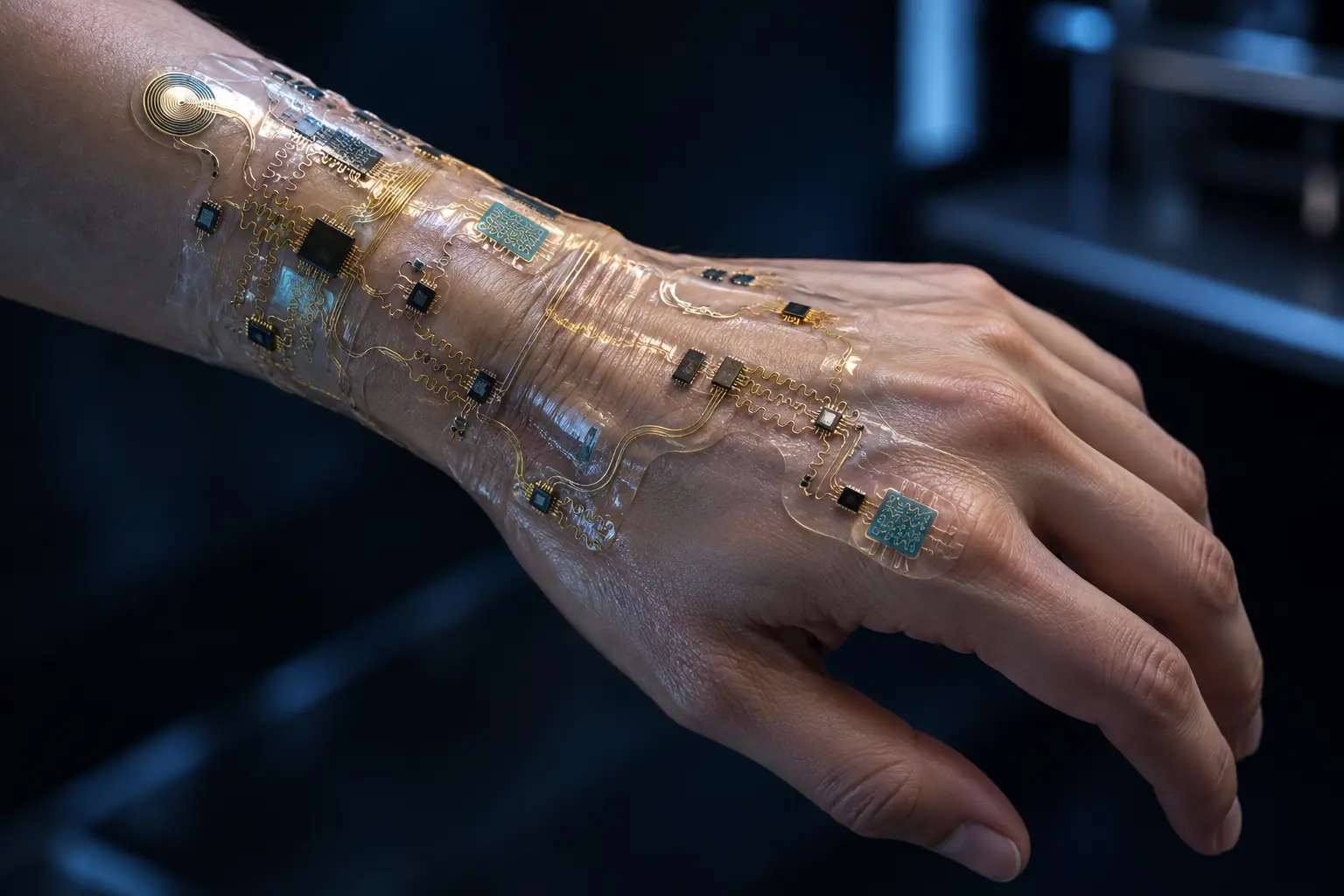
Integrating responsive soft matter with flexible electronic architectures to enable conformable sensing, energy storage, and human–machine interfaces.

An ultrathin flexible electronic skin conforming to a human wrist and hand
FLEXIBLE / WEARABLE / INTEGRATED

A growing body
of work.

Research spanning bioinspired hydrogels, sustainable nanocellulose, flexible sensing, energy storage, and electrocatalysis.

Google Scholar
2026

Biocompatible, Ion-Conductive Hydrogel-Filled Nerve Conduit for Peripheral Nerve Regeneration

ACS Applied Materials & Interfaces 18 (1), 524–537

ACS AMI ↗
2025

Self-Assembly of Cellulose Nanocrystals for Splash Suppression and Enhanced Pesticide Delivery on Hydrophobic Surfaces

Journal of Colloid and Interface Science, 139564

JCIS ↗
2025

Flexible MXene–Cellulose Nanofiber Based All-Solid-State Supercapacitors with High Volumetric Capacitance

Nanoscale Horizons 10 (12), 3357–3368 Corresponding author

Nanoscale Horiz. ↗
2025

Recent Progress on Solid-State Electrolytes Based on Nanocellulose: Structures, Applications, and Challenges

Materials Today Energy 51, 101891

MTE ↗
2025

Surfactants, Cellulose Nanocrystals, and Chitosan: Their Contributions to Pesticide Delivery Systems

Advances in Colloid and Interface Science, 103642

ACIS ↗
2025

Enhancing Droplet Spreading on a Hydrophobic Plant Surface by Surfactant/Cellulose Nanocrystal Complexes

ACS Nano 19 (3), 3549–3561

ACS Nano ↗
2025

High-Sensitivity and Flexible Motion Sensing Enabled by Robust, Self-Healing Wood-Based Anisotropic Hydrogel Composites

Small 21 (11), 2500944 First author

Small ↗
2025

Programmable Gelatin Hydrogels via Ionic Modulation and Structural Design for Mechanical Properties, and Tissue Regeneration

PhD thesis · University of Waterloo

Thesis
2024

Advanced Cellulosic Materials Toward High-Performance Metal Ion Batteries

Advanced Energy Materials, 2400208

AEM ↗
2024

Interface Engineering and Oxygen Vacancies Derived from Plasma-Treated Cu2O Synergistically Enhancing Electrocatalytic CO2-to-C2+ Conversion

Journal of Materials Chemistry A 12 (33), 21864–21872

JMCA ↗
2024

“All-in-One” Polypyrrole Pillar Hybridization Flexible Membranes on Multimodal Tactile Sensors for Wearable Energy-Storage Devices and Human–Machine Interfaces

Inorganic Chemistry Frontiers 11 (3), 936–946 First author

ICF ↗
2023

Selectively Reducing Nitrate into NH3 in Neutral Media by PdCu Single-Atom Alloy Electrocatalysis

ACS Catalysis 13 (16), 10560–10569

ACS Catal. ↗
2023

High Performance Aqueous Asymmetric Supercapacitors Developed by Interfacial Engineering Wood-Derived Nanostructured Electrodes

Materials Today Advances 19, 100391 First author

MTA ↗
2023

By-Product of Hydrothermal Liquefaction: Characterization of Biochar and Its Application in Metal-Free Electrochemical Advanced Oxidation Process of Hydrogen Peroxide to Provide Hydroxyl Radicals

Journal of Environmental Chemical Engineering 11 (6), 111302

JECE ↗
2022

Intelligent Matter Endows Reconfigurable Temperature and Humidity Sensations for In-Sensor Computing

Materials Horizons 10 (3), 1030–1041

Mater. Horiz. ↗
2021

A Multicomponent Interconnected Composite Paper for Triple-Mode Sensors and Flexible Micro-Supercapacitors

Journal of Materials Chemistry A 8 (46), 24620–24634 Corresponding author

JMCA ↗
2020

A Solar and Thermal Multi-Sensing Microfiber Supercapacitor with Intelligent Self-Conditioned Capacitance and Body Temperature Monitoring

Journal of Materials Chemistry A 8 (23), 11695–11711 First author

JMCA ↗
2019

Multifunctional Wet-Spun Filaments through Robust Nanocellulose Networks Wrapping to Single-Walled Carbon Nanotubes

ACS Applied Materials & Interfaces 11 (45), 42808–42817

ACS AMI ↗

20 publications and accepted works · Updated September 2026

Contributing beyond
the laboratory.

Editorial service supporting rigorous, interdisciplinary research across materials science and nanotechnology.

Guest Editor

Gels

Special Issue: Advanced Gel-Based Sensors: Design, Fabrication and Applications

View ↗
Editorial Board Member

Journal of Nano Fiber

Editorial board service

View ↗

From

ideas
to impact.

01

Design

Define questions and develop thoughtful material strategies.

02

Reveal

Connect structure to performance through multiscale characterization.

03

Translate

Evaluate function in relevant settings and emerging applications.

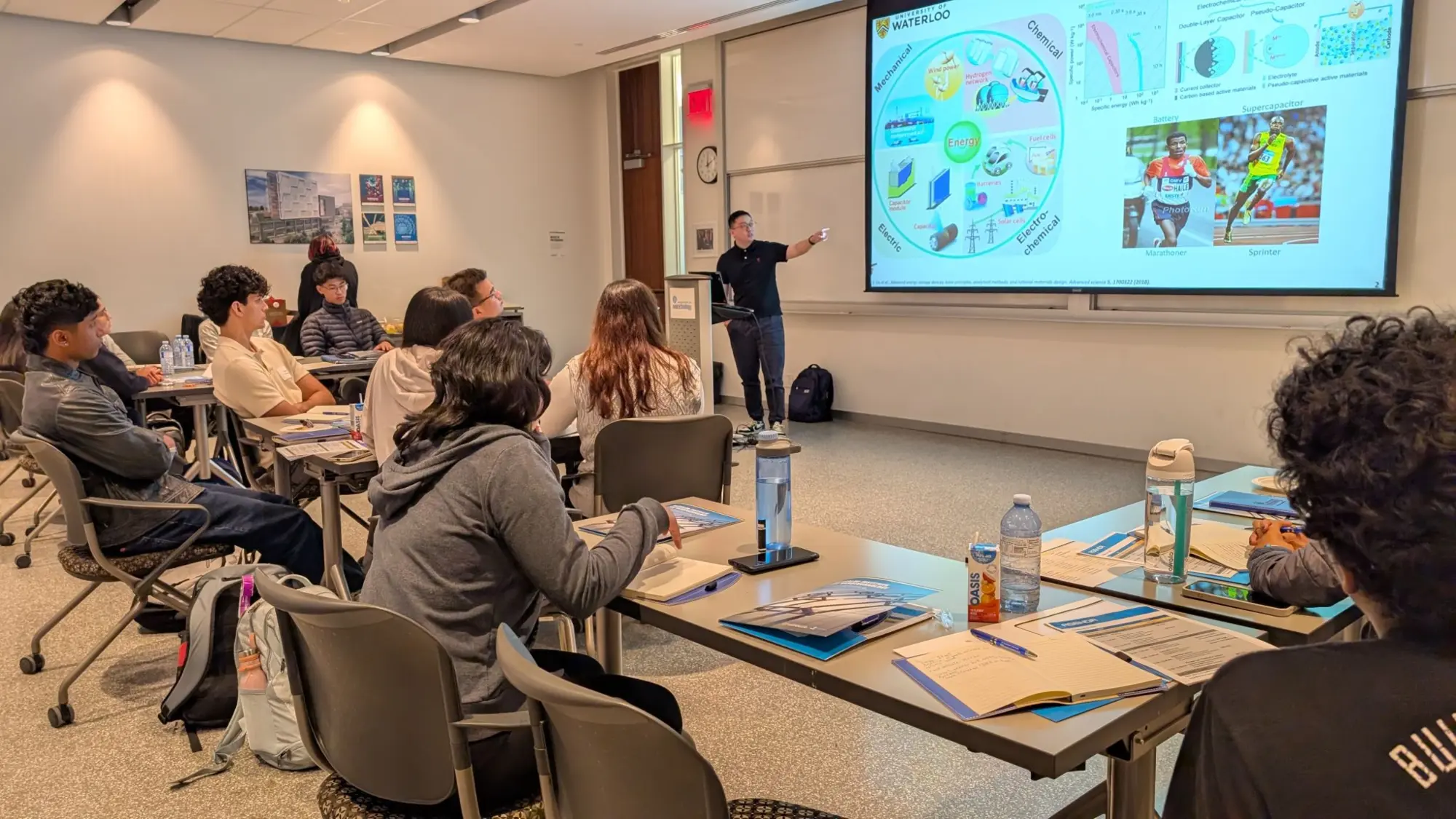
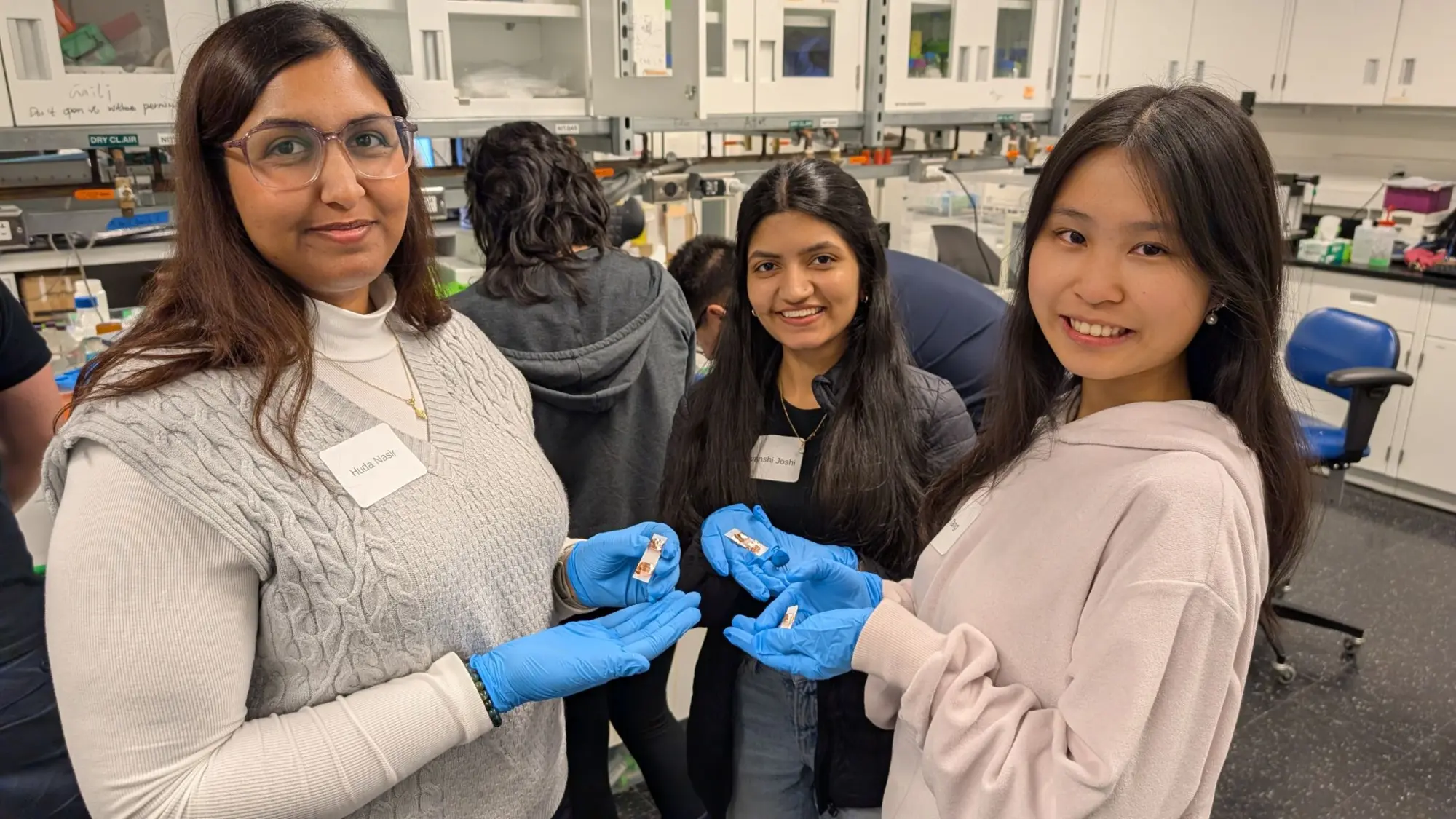
Collaboration · Research · Mentoring

Let’s make soft matter
do more.

Researcher
Department of Mechanical and Mechatronics Engineering
University of Waterloo · Canada

youchao.teng@uwaterloo.ca ↗
QNC 5603 · 200 University Avenue West
Waterloo, ON N2L 3G1 · Canada
Google Scholar ↗

Back to top